

Written By


It isn’t easy raising children. There’s no rule book. But one thing all parents have to do – they have to prepare their kids for life, not for some fairy tale world.
We spend years protecting our children from harm and pain. But in doing this, we forget to teach our children life lessons for kids. The lessons of life are lessons about the likes of failure, rejection, and life’s injustice.
It’s not our purpose. We just want our children to be innocent and happy a little longer. Innocence does not mean ignorance of how the world works.

Table of Contents:
Does knowing life is unfair make setbacks easier to handle?
How do you help your child handle unfairness?
How do you respond when your child fails?
How do you model growth for your child?
Does knowing life is unfair make setbacks easier to handle?
Children who understand that life is not always fair will view difficult situations as normal and will not get scared. This means they will not see anything wrong with themselves. It helps to build emotional resilience so that they can cool off, reflect, and try again.
It is important because children who know something unjust is coming do not waste time asking, “Why me?” They go from being hurt to doing something quickly. Parents may support them by discussing injustice in life, caring for them, and telling them that difficulties do not define their value but the future ahead.
How Unhealed Childhood Wounds Wreak Havoc in Our Adult Lives
How do you help your child handle unfairness?
First, listen to their emotions, and then discuss what went on. Do not solve all their issues. Teach effective coping skills such as dealing with emotions, problem-solving, and persistence. This will help your kid build strength so that even an injustice becomes something to overcome rather than give up on.
With practice and time, children become self-confident and learn to rely on themselves. They realize that nothing is going to happen according to their will. Instead, they try to concentrate on controlling the things that are under their control, namely, their behavior and attitude. As a result, they become patient and responsible.
How do you respond when your child fails?
Don’t worry. Never show your disappointment. Focus on the process rather than the outcome. By doing this, you will help your child develop a growth mindset. That way, failing will become an opportunity for learning.
Points | Explanations |
Keep calm | Don’t get frustrated and disappointed at your child’s failure. |
Reward | Appreciate your child’s effort, not achievements; this will help them build a growth mindset. |
Show interests | Ask questions like “What have you learned from this?” Instead of focusing on the failure. |
No need to fix it | Let your child work it out. Don’t work it out for your child. |
Share your own experience | You should talk to them about your failures too so that they will know that failures are part of life. |

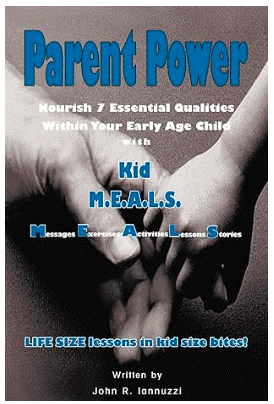
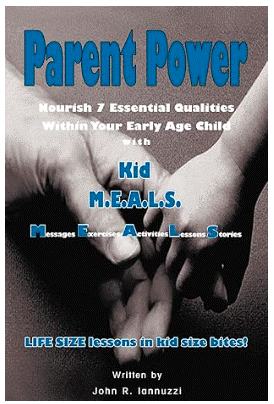
Parent Power
Nourish 7 Essential Qualities Within Your Early Age Child
with Kid M.E.A.L.S.

How do you model growth for your child?

Make sure your child understands that even adults learn. Experiment with something new. Learn from any mistakes you make. It helps to demonstrate that learning is a lifetime process.
Show your child that you try new things and make mistakes. Whether it’s learning a new skill, fixing something at work, or doing something you aren’t skilled at yet, say out loud what you are learning.
Also, ask your child what he/she thinks – this shows that development does not stop when one becomes an adult; it applies to everyone.
Children see that people grow up every day throughout their whole lives, not just at school, and they understand that growing up is a never-ending process.
What Our Children Really Need to Hear
It is not to scare your child. It is to prepare your child for life. Life will present your child with many instances of rejection, failure, and injustice. But by being truthful, patient, and loving, your child will be able to endure all of this.


It’s not always easy to pass on such blunt life lessons—especially when you’re trying to protect your child’s innocence. But I’ve found that an honest talk today can spare them a lot of confusion and hurt tomorrow.
Life will throw curveballs, and reality might not always live up to the fairytale we want for them. But armed with these truths, they have a better chance of not just surviving, but thriving.
So next time you sit down for a heart-to-heart with your child, consider sprinkling in one or two of these points. Maybe you’ll see a flicker of surprise, or even a spark of disagreement.
But I truly believe that laying this foundation is an act of love—one that says, “I trust you to take on life’s challenges, and I’m here for you every step of the way.” And what better lesson is there than that?
Source: blogherald.com
About The Author I’ve ridden the rails, gone off track and lost my train of thought. I’m writing to try and find it again. Hope you enjoy the journey with me.

 ↓