Do you feel the feelings of other people like your own? Do you put others before yourself, even at your own expense? If you said yes, then you may be an empath, a person who feels a deep connection with the emotions of those around them.
Empathy is a great thing, but in some cases it turns into pathological caring, when a person is worn out, neglected, and blocked from himself by constant care for others. In this blog, I’ll show you the symptoms of being an empath, the difference between empathy and pathological caring, and ways to easily preserve your energy and say no without guilt.
Table of Contents:
What are the key signs that you might be an empath?
How is being an empath different from simply being a caring person?
What causes someone to develop pathological caring tendencies?
What are practical steps to stop pathological caring without losing empathy?
What are the key signs that you might be an empath?
One of the empath physical symptoms is that you sense people’s emotions very strongly. You pick up on the atmosphere of the environment. People in crowds drain your energy is another sign of high sensitivity. You require solitary time to recharge. You can sense hidden emotions well. You usually think about others before yourself.
Points | Explanations |
Absorption of emotions | You have a gift for sensing other people’s feelings without them having to say anything. |
Crowd exhaustion | Crowds can really wear you out, both physically and mentally. |
Necessity of being alone | Alone time allows you to return to your calm after absorbing other people’s emotions. |
Intuitions | You can sense even subtle things such as body language and tone of voice. |
Putting others first | You sacrifice yourself for others and put your needs after them. |
Boundaries offer the ultimate protection for our brain from emotional overload!
How is being an empath different from simply being a caring person?
An empath will experience other people’s emotions as if they are their own, and that is too much at times. The kind-hearted individual shows care and sympathy but maintains boundaries between their emotions and those of others.
An empath often struggles to distinguish between their own feelings and those they feel through other people. If you don’t, you will end up exhausted, anxious, or even in physical pain. Compassionate people lift other people without the weight of their burdens.
A caring person can walk away from an uncomfortable discussion and be okay, but an empath might walk around with those feelings for hours or days. This emotional involvement without clear boundaries between empathy and compassion may lead to over-care, self-neglect, and burnout.
Gently leading a horse to water is more likely to make it drink than pushing it in the swimming pool.

What causes someone to develop pathological caring tendencies?
Pathological caring happens because of factors like trauma in one’s early life, needy love, and being forced to care for others when still young. A response to psychological trauma is characterized by the need to please other people, fear of being alone, and poor self-respect.
For instance, in this scenario, the individual may have grown up around parents always putting the needs of others above their own. Being commended for doing favors for others. Saying “no” becomes progressively difficult, until saying no becomes completely unacceptable. Self-worth is judged based on what one does, not who they are.

Take the time out that you need, not necessarily that you want.
How can one avoid pathological empathy and still maintain healthy empathy?
One way is understanding why people-pleasing occurs. It can be fear, low self-respect, etc. You should also try to set some personal boundaries and think twice before agreeing to something. Rest and self-care are never selfish.
Know the Causes
Figure out why you do this – is it fear, low self-worth, or how you were raised?
Don’t Accept Too Soon
Allow yourself the time to choose that you are helping because you want to, not because you have to.
Begin with Small Boundaries
Start by practicing your “no” in easy situations where you can gain confidence without guilt.
Self-Care Is Important
Remember, taking time off to care for yourself is not selfish; it makes you stronger.
Ask For Help
Therapy or supportive people can help you learn new, more positive ways of coping.

Those who cancel are more forgivable than party poopers.

Healthy Empathy Starts with Healthy Boundaries
Empathy is a rare quality, but unlimited empathy can be tiring and can make you forget yourself. True empathy is not absorbing every person’s suffering. It is genuinely caring about others, while also being kind to yourself. The boundaries you create can help you save your energy and your empathy.

I’ve got 99 problems, and they mostly belong to other people, countries or planets.
Source: wildeaboutwellbeing.com
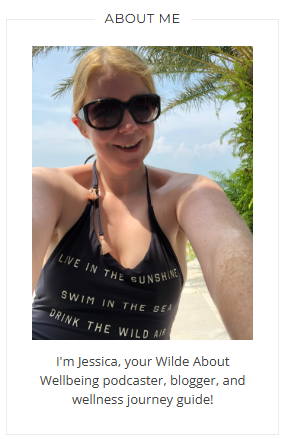
I live with my husband, Simon, and we are joined by two small dogs, who – let’s face it – rule the household! Our lifestyle enables us to travel as much as we want to: in the photo, we were just heading off to an incredible villa on Koh Samui in Thailand.
I have an Advanced Diploma in Management Accounting (yawn!), MAs in Creative Writing, Classical Languages, and Philosophy, and a Diploma in Dog Behaviour… I’ve always been trying to find the thing that WORKS for me. I’m still searching.
Join the search with me, maybe we’ll BOTH make some discoveries along the way. And, if we don’t, I promise laughter, honesty and purity!