
How to Overcome Failure and Bounce Back
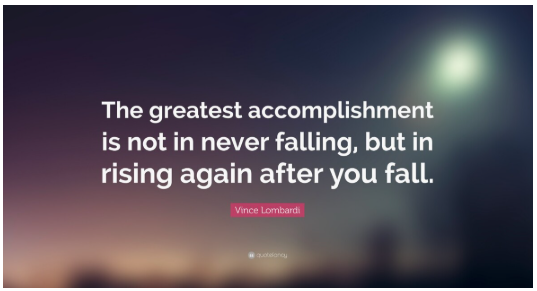
“Our greatest glory is not in never falling, but in rising every time we fall.”
~ Vince Lombardi
Failure is a part of life. There will be times when all of us may make a mistake or error or have problems that may cause some setbacks. But do not be discouraged by failure because failure does not mean the end of your success.
You can learn lessons from them and improve yourself in the future. To get over failure, there are a few steps you need to take. Firstly, try to accept the situation and allow yourself some time to feel the effects of the failure.
Then think about it and see what you can learn from it and how you can do better next time. Work on your goals; make them achievable. One step at a time. This blog is all about the acceptance of failure, learning lessons, and achieving goals.
Table of Contents:
Why do people find it difficult to accept failure?
How do you draw lessons from failure?
How significant is self-confidence in overcoming difficulties?
What practices should one engage in to be more resilient after failure?
Why do people find it difficult to accept failure?
People often have a hard time accepting failure because it can bring up negative emotions that can make people feel ashamed, embarrassed, or depressed. The person may be afraid of the way in which people around him will judge him or how people shall see him.
Some people have this mentality where they feel like they should always be successful and that failure is a sign that they are not good enough. Others may feel pressure from their environment, including family, colleagues, friends, their workplace, and society as a whole.
The comparison to other people can make it even worse. Other people will be scared to try again because they are scared of failing again. Failure is natural. It does not mean one is incompetent.
You’re pissed. You’re embarrassed, disappointed, whatever. Feel it. Give yourself full permission to feel it. Even better, find one of your trusted posse to hear you out and serve as witness so you have safe space to feel.
How do you draw lessons from failure?
Failure is a great way for us to learn through reflection on the mistakes, acceptance of our flaws, and seeking solutions to avoid similar mistakes in the future.
Determine the reason behind the outcome: Conduct an analysis of the situation to determine the reason why the desired result did not happen.
Accept yourself and the errors: Rather than finding fault with other people regarding the situation, acknowledge that you made a mistake.
Get lessons: Determine what you have learned from the experience and how to make the right decision next time.
Change your strategy: Use the lessons you learned and apply a different strategy in achieving your goal.
Keep moving ahead: Do not feel discouraged by the failure; instead, set new goals and move towards meeting them.
How significant is self-confidence in overcoming difficulties?
Self-confidence enables one to build confidence after failure and offers the confidence to give things another try.
It also helps one to focus on how one could have done things differently rather than dwelling on the mistakes. The source adds that self-belief builds mental strength and resilience, which helps a person to cope with the challenges that come their way.
It encourages you to set new goals and take baby steps toward them. Even when things don’t go as planned, believing in yourself keeps you going and hopeful.
What practices should one engage in to be more resilient after failure?
The following steps will help you get back on track after the blow. You have to stay positive, take lessons from your mistakes, set little goals, and stick to your daily schedule. Taking care of yourself and contacting those people who care about you will help you become emotionally strong and confident.
Positive thinking: Think about what you have gained from the failure and not the failure itself.
Learning from failures: Always be aware of your mistakes and learn from them to make better choices in the future.
Setting small goals: Set small goals to achieve because they will increase your confidence level and motivate you.
Following a routine: Stick to a routine life and ensure that you get adequate rest, proper diet and exercise and do what you like.
Conversations with supportive people: Share your problems with those who support you. They will help you build your emotional strength and self-confidence.
Turn Setbacks Into Comebacks
Being a failure is not easy; however, this is not a reason for giving up. Each of your mistakes can become an opportunity to grow as an individual. Acknowledge your experience, analyze your mistake, and think about the alternatives you had.
Set realistic goals for yourself, stay positive, and most importantly, believe in yourself. Reach out to people who can give you the needed encouragement. Remember, you may not be successful right away. It might take some time and patience. Keep on and be persistent with yourself, and build emotional strength and self-confidence for your own personal growth.
Some Questions About Bouncing Back From Failure
Focus on the lessons to be learned from the experience. Have small goals, be positive, and take it step-by-step.
Work on small things and rejoice in every small achievement made. Think back to all the things you have succeeded in and believe that you can be better.
Remember that failure is a normal part of learning something new. Don’t be afraid of failure; do your best and learn something from the experience.
It certainly does. A person learns and becomes better through failure and gets confidence and preparation for the future.
Featured Book
Featured Quote

What makes us different from other inspirational/motivational online content providers is our monthly
Wave of iNspiration Showcase!
Each month the Showcase features a new Blog, Video, Book, and Quote, highlighting an inspirational, motivational, and educational topic from the industry’s most influential writers, bloggers, authors, and publishers.
↓
Trending throughout iNation…
- ✨iNspiration Nation Showcase: How to End the Year Without Burning Out By Jenna Kutcher
- How to Change the Story You Tell Yourself By Will Hutch
- How to Find Inspiration for Your Daily Challenges
- How To Listen — Really Listen — To Someone You Don’t Agree With
- 10 Tips To Reduce Stress and Take Care of Yourself During the Holidays
- The Work From Home vs Return to Office War Is Heating Up
- The Reason Why Daily Routines Are So Important To Living A Successful Life
- Social Anxiety! How to Stop Worrying About Whether People Like You By George J. Ziogas
- Why We Are Tired All The Time By Michael J Breus Ph.D., Psychology Today
- Stop Comparing Your Life to Someone Else’s Highlight Reel By Henrik Edberg


Table of Contents:
Determine the reason behind the outcome: Conduct an analysis of the situation to determine the reason why the desired result did not happen.

↓